

Bottom line first: When Bali Belly strikes, prioritize rehydration over stopping diarrhea — you can buy Oral Rehydration Salts (ORS) at local pharmacies (brands like Oralit, Hydralyte, which are the core treatment and more important than just anti-diarrheal meds). For mild symptoms, pair it with adsorbent anti-diarrheals (Norit, Entrostop). Sports drinks can’t fully replace ORS. Below is a complete list of self-care medications and when to see a doctor.
After arriving in Bali, the biggest fear isn’t getting sunburned — it’s the sudden onset of Bali Belly. Whether it’s from dietary changes, bacterial infection, or a sensitive stomach, the symptoms can really derail your trip. This article compiles a ‘self-care checklist you can buy at local pharmacies in Bali,’ covering rehydration, anti-diarrheals, fever reducers, and when to see a doctor — so you’re prepared and won’t panic!
What Is Bali Belly? (Explaining Dirty Water Disease Clearly)
- What it is: Bali Belly is ‘traveler’s diarrhea,’ often called dirty water disease in Chinese. It’s usually caused by eating or drinking food or water contaminated with bacteria, not an official name for a specific illness.
- When it strikes: Typically 1–3 days after arrival, but it can happen any day during your trip.
- Typical symptoms: Watery diarrhea, abdominal cramps, nausea, and some people may experience low-grade fever and overall weakness.
- How long it lasts: Most people recover on their own within 1–3 days. As long as you stay hydrated, antibiotics are usually not needed.
- Most important treatment: Prioritize rehydration (ORS oral rehydration salts) rather than rushing to stop the diarrhea.
- When to see a doctor: Blood in stool, persistent high fever, severe dehydration (significantly reduced urine output, dizziness when standing), or symptoms lasting more than 3 days without improvement.
Below are medications you can actually buy at local pharmacies in Bali, along with how to communicate with the pharmacist.
Bali Belly: Prevention is Better Than Cure
💊 Over-the-Counter Medications for Bali Belly Available at Local Pharmacies
1. Oral Rehydration Salts (ORS) – The Core Treatment

· Purpose: Prevents and corrects dehydration caused by diarrhea, which is more critical than simply stopping the diarrhea.
· Common local brands: Oralit, Hydralyte.
· Key tip: Use this as your first line of defense when experiencing diarrhea. Always follow the mixing instructions. Note: Sports drinks are not a complete substitute.
2. Antidiarrheal Agents (Adsorbents) – For Mild Diarrhea

· Purpose: Adsorbs bacteria and toxins in the gut to relieve symptoms, but not a primary treatment.
· Common local brands: Norit, Entrostop.
· Key Tip: May affect the absorption of other medications; it is recommended to take it at least 2 hours apart from other drugs (such as antibiotics).
3. Norit (Activated Carbon Tablet)
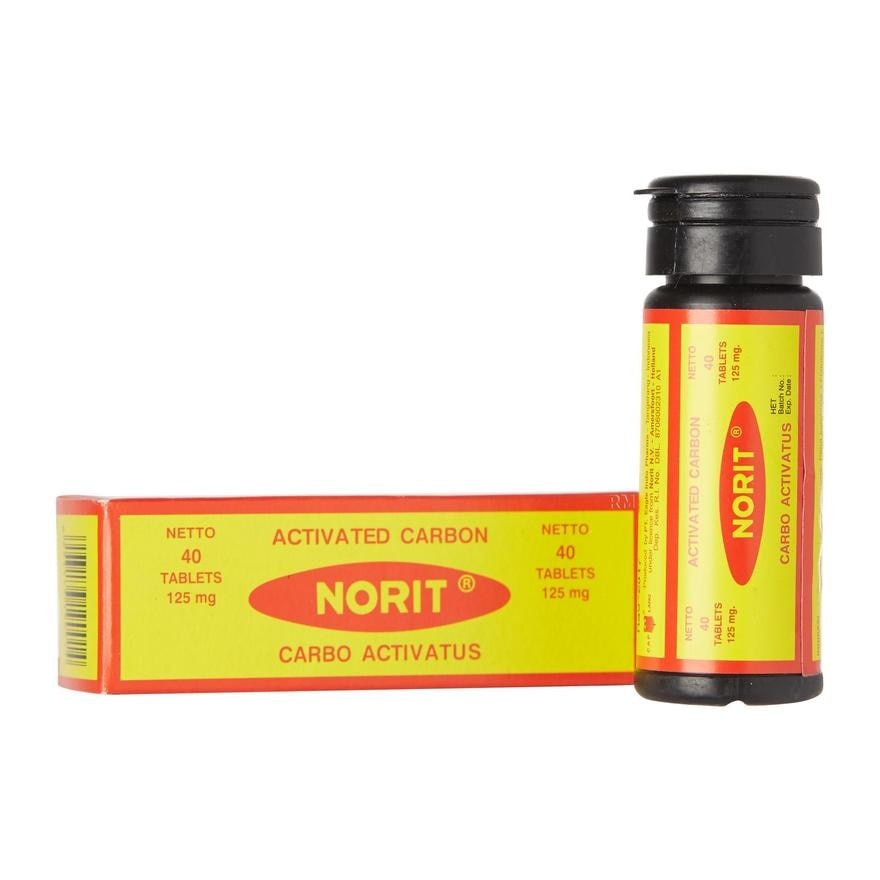
It is very common in Indonesia. Many travelers or locals experiencing stomach pain or diarrhea in Bali (commonly known as Bali Belly) often buy it from pharmacies or convenience stores for quick relief.
About Norit’s Features and Effects
· Ingredients & Mechanism: Each tablet contains 125 mg of activated carbon (Arang Aktif), which adsorbs toxins and bacteria in the gastrointestinal tract, reducing the frequency of diarrhea and binding gas to relieve bloating.
· Easy to Purchase: Available at most pharmacies, drugstores, and convenience stores across Indonesia, typically sold in tubes of 40 tablets.
Precautions When Using
· Cannot Replace Fluids and Electrolytes: Activated carbon primarily adsorbs toxins physically and does not replenish fluids. The key to managing Bali Belly is to actively rehydrate with water and electrolytes (such as local Oralit oral rehydration salts) to prevent dehydration.
· Watch the Timing: Due to activated carbon’s strong adsorption capacity, if you are taking other medications, it is advisable to take them at least 2 hours apart to avoid adsorbing their effects and reducing efficacy.
· Normal Physical Reaction: While taking Norit, your tongue and stool may turn black. This is a physical characteristic of activated carbon and will naturally disappear after stopping use—no need to panic.
4. Antidiarrheal (Antiperistaltic) – For Emergency Use

· Purpose: Strongly controls the frequency of diarrhea, intended only for short-term emergencies (e.g., long-distance travel).
· Common local brands: Loperamide (generic name, same active ingredient as Imodium), Diapet, Lodia.
· Key note: Do not use if you have a fever or blood in your stool, as it may worsen the infection. Consult a doctor before use in children.
5. Pain Reliever/Fever Reducer

· Purpose: Relieves abdominal pain and fever.
· Common local brands: Paracetamol (generic name for acetaminophen), Panadol, Sanmol, Ibuprofen.
· Key note: Due to the risk of dengue fever locally, Paracetamol is preferred for fever. Ibuprofen may increase the risk of bleeding.
6. Gastrointestinal Antispasmodic

· Scopma Plu (hyoscine) → Directly relaxes the smooth muscles of the gastrointestinal tract, reducing cramping.
7. Probiotics (Supportive)
Function: Helps regulate gut flora.
Common local brands: Interlac, Lacto-B.
Key note: These are supportive measures and cannot replace rehydration or necessary medication.
⚠️ Important Safety Tips & When to See a Doctor
1. Don’t take antibiotics on your own: Bali Belly can be caused by viruses or bacteria; misusing antibiotics is ineffective and harmful. Antibiotics should only be taken after a doctor’s diagnosis.
2. Prioritize hydration: Whether or not you take medication, you must consistently and frequently sip oral rehydration solution or clean bottled water.
3. Watch for red flags and seek medical help immediately: If any of the following occur, stop self-treatment and get medical assistance right away:
Fever over 38.5°C (101.3°F).
Blood in diarrhea or vomit.
· Severe abdominal pain.
· Unable to eat or drink, persistent vomiting.
· Signs of dehydration (dry mouth, dark and scant urine, dizziness, extreme weakness).
· Symptoms persist for more than 48-72 hours without improvement.
🏥 How to Seek Medical Help
If your symptoms require a doctor, you can visit international-standard clinics in Bali such as BIMC, Siloam, Prime Plus Medical, etc., which typically have English-speaking medical staff. For more serious cases where you can’t go out, Bali’s Unicare Clinic Bali 24/7 Doctor on Call service is also a great option.
💡 Purchasing and Communication Tips
· Find a reliable pharmacy: Prioritize chain pharmacies like Guardian, Kimia Farma, and Watsons, where medications come from legitimate sources.
· Handy phrases for communication: If language is a barrier, try showing the pharmacist these short sentences:
· “Oralit untuk diare.” (Oral rehydration salts for diarrhea.)
· “Entrostop (mild anti-diarrhea) / Loperamide (emergency anti-diarrhea) for diarrhea.” (Buy anti-diarrhea medication)
· “Paracetamol for fever.” (Paracetamol for fever.)
Remember: The principle for dealing with Bali Belly is: prioritize hydration, treat symptoms, watch for warning signs, and seek medical attention promptly.
*This article compiles information from online sources and is not professional medical advice. If symptoms are severe, it’s best to see a doctor to stay safe!





No discussions yet — be the first to ask.