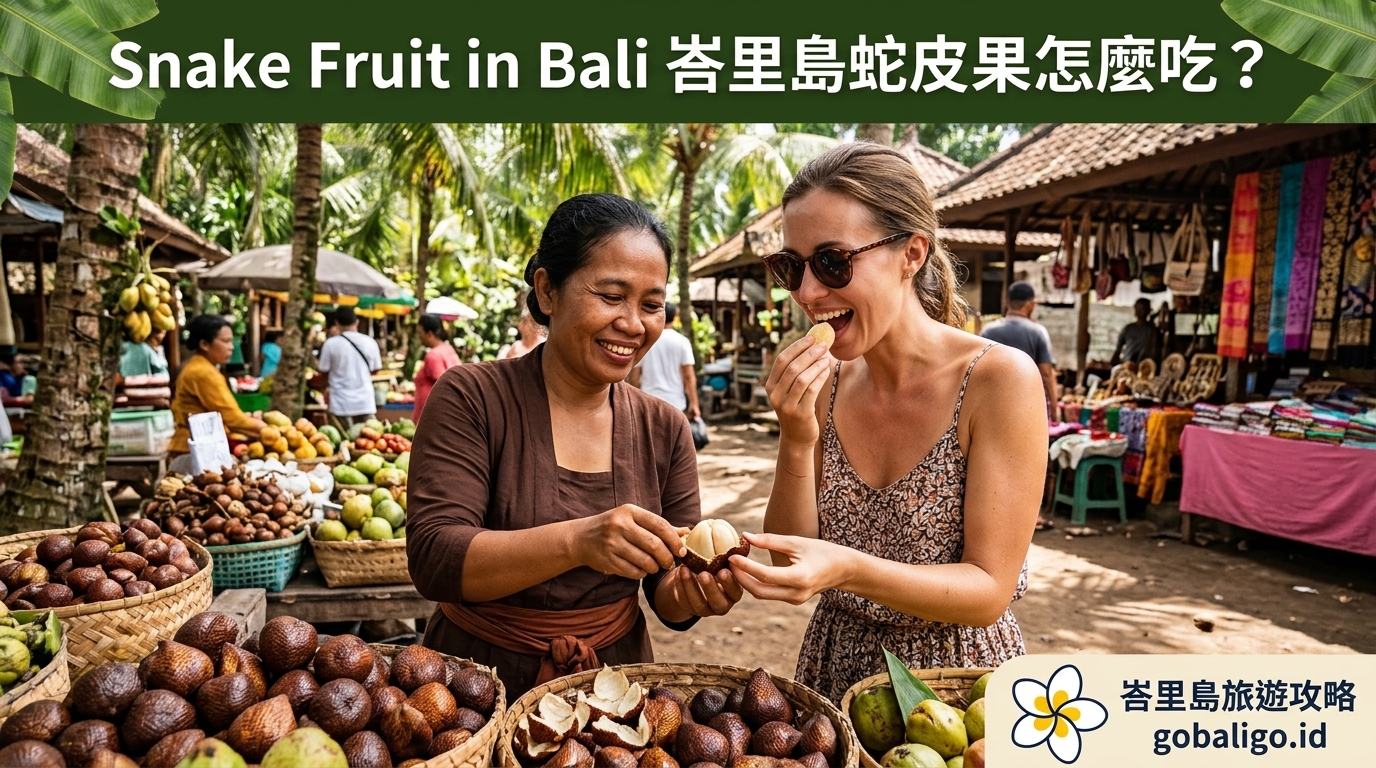
How to Eat Bali Snake Fruit? The Best Is ‘Gula Pasir Snake Fruit’
When traveling to Bali, you must try snake fruit (Salak). This tropical fruit, with its scaly brown skin and sweet-tart, crunchy flesh, is a daily favorite among Indonesians. The most highly recommended variety is Gula Pasir snake fruit (Salak Gula Pasir). This guide covers its features, how to eat it, varieties, and where to buy, so you’ll know exactly what to pick on your next Bali trip.
What Is Snake Fruit?
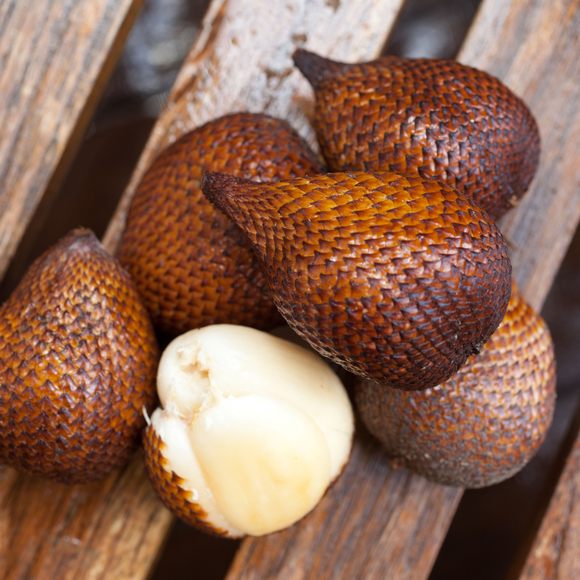
Snake fruit is a tropical palm fruit native to Southeast Asia, known in Indonesian as Salak. Its brown, scaly skin gives it its name. The flesh comes in segments like garlic cloves, with a texture between an apple’s crunch and a lychee’s softness, offering a sweet-tart flavor and a subtle fruity aroma.
In Indonesia, snake fruit is a common sight in traditional markets and roadside fruit stalls, making it a must-try fruit in Bali.
How to Peel and Eat Snake Fruit?
- Pinch the stem end of the fruit and gently squeeze—the skin will crack open.
- Peel off the scaly skin along the crack; no knife is needed.
- Remove the flesh and eat it directly. The seed in the middle is inedible.
Tip: The skin has tiny spines, so peel it gently.
Nutritional Value of Snake Fruit
Snake fruit is not only delicious but also quite nutritious. Here are the typical nutritional facts (per 100 grams of flesh):
- Calories and Water Content: About 77 calories per 100 grams, with roughly 80 grams of water, making it a low-calorie fruit.
- Dietary Fiber: Total dietary fiber is around 1.7 grams, mostly insoluble fiber, which supports gut health and provides a feeling of fullness.
- Protein and Fat: Contains about 0.7 grams of protein and only 0.1 grams of fat, making it nearly fat-free.
- Natural Sugars: Total sugar content is approximately 17.4 grams, which gives snake fruit its sweet and fragrant taste.
- Vitamin A and Carotenoids: The flesh contains beta-carotene and lycopene, with vitamin A at about 500 micrograms of retinol activity equivalents.
- Vitamin C, Potassium, and Iron: Snake fruit is believed to contain nutrients like vitamin C, potassium, and iron.
- Antioxidant Compounds: Studies indicate that snake fruit has higher levels of vitamin C and polyphenols than mangosteen.
3 Nutritional Highlights of Snake Fruit
- Low in Fat, High in Fiber: With minimal fat and dietary fiber, it makes a light snack for your travels.
- Rich in Natural Antioxidants: Contains beta-carotene, vitamin C, and polyphenols—common antioxidants found in fruits.
- High Water Content: Its juicy flesh is refreshing and thirst-quenching, perfect for Bali’s hot climate.
A Quick Note: Snake fruit has a fair amount of natural sugar, so those watching their blood sugar should enjoy it in moderation. As tasty as it is, it’s best to limit yourself to a few pieces at a time. If you have blood sugar concerns, consult your doctor or nutritionist first.
Note: The nutritional data above is general for snake fruit. Actual values may vary by variety (including sugar snake fruit), origin, and ripeness, and different sources may report slightly different figures.
Why Is Snake Fruit Called the ‘Fruit of Memory’?
In Indonesia, snake fruit is nicknamed the ‘Fruit of Memory.’ This name comes from traditional Indonesian medicine, which believes it supports memory and brain function. Locals attribute this to the following components:
- Potassium: Helps maintain smooth blood circulation.
- Pectin: A type of water-soluble dietary fiber.
- Beta-Carotene and Polyphenols: Antioxidants that help reduce oxidative stress in cells.
To Be Clear: Researchers note that it’s still not conclusive that snake fruit can enhance memory or prevent dementia. Some sources suggest its potential in this area requires further study. So the ‘Fruit of Memory’ is more of a long-standing folk belief than a proven effect.
Still, it’s a well-balanced, uniquely flavored fruit. Next time you’re eating snake fruit in Bali, feel free to share this quirky nickname with your travel companions.
Snake Fruit and Skincare
In Indonesia, snake fruit is often regarded as a ‘beauty fruit.’ It contains vitamin C and polyphenols like flavonoids, offering antioxidant properties, and many local women consider it a natural beauty booster.
What does research say?
- One study tested peel extracts of snake fruit and found strong antioxidant activity. In UV-exposed lab mice, it even increased skin collagen density, making it a potential ingredient for anti-aging cosmetics.
- Another study focused on pulp extracts, evaluating its potential as an anti-aging active ingredient through antioxidant and elastase inhibition tests.
A note of caution: These are lab or animal studies testing extracts, which doesn’t mean eating snake fruit directly will improve your skin. A more practical approach is to include it as part of a balanced diet for its vitamins and antioxidants. Also, the skin and seeds are inedible—just peel and eat the flesh.
What Types of Snake Fruit Are There in Indonesia?
Indonesia has several varieties of snake fruit, each with a distinct taste—some are tart and astringent, others sweet and crunchy. The most prized is Bali’s specialty: Sugar Snake Fruit.
🏆 The Best-Tasting Snake Fruit: Sugar Snake Fruit (Salak Gula Pasir)
If someone tells you that snake fruit tastes terrible, they’ve probably never tried Gula Pasir snake fruit.
“Gula Pasir” means “sugar” in Indonesian, and this variety is named for its exceptionally high sweetness, widely regarded as the best-tasting snake fruit in Bali.
4 Reasons to Love Gula Pasir Snake Fruit
- High sweetness: The flesh is sweet with a honey-like richness.
- Low astringency: Many snake fruits leave a slight bitterness on the tongue, but Gula Pasir is much milder and smoother.
- Crisp texture: Juicy and crunchy, refreshing without being sticky.
- Enticing aroma: Carries a subtle ripe fruit fragrance that leaves your mouth feeling fresh.
Snake fruit is one of the most iconic fruits of Bali. If you’ve ever thought it wasn’t good, you might just not have found the right variety yet. Next time you’re in Bali, be sure to ask for Gula Pasir snake fruit—one bite will change your mind!
Where Gula Pasir Snake Fruit Grows: Karangasem and Sibetan Village
Gula Pasir snake fruit is mainly grown in Karangasem in eastern Bali, with Sibetan Village being the most famous area. For the freshest experience, plan a trip to the east and visit a snake fruit orchard to pick and taste them on the spot.
Where to Buy Snake Fruit in Bali?
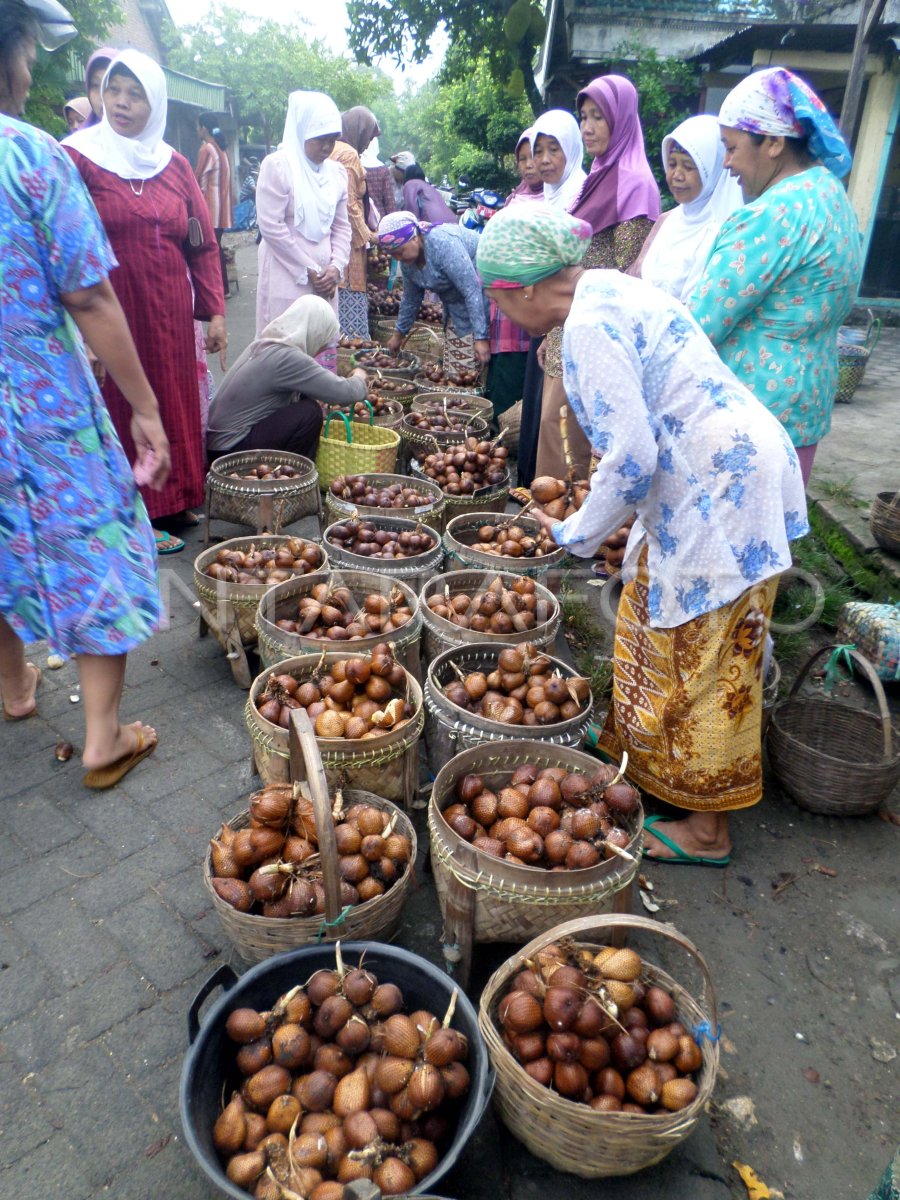
- Traditional Markets & Fruit Stalls: Available at Ubud Market and various local markets at affordable prices.
- Orchards at the Source: Head to Karangasem to buy directly from the growing region.
- Souvenirs: Snake fruit is also processed into dried fruit, vinegar, wine, and candied snacks, sold at select shops.
【Bali In-Depth Tour】Step into Local Traditional Markets: Discover the True Soul of Bali
Tips for Choosing Snake Fruit
- Pick fruits with intact skin, clear scale-like patterns, and even color.
- Avoid those with shriveled skin, black spots, or that are too soft.
- Ask the vendor: “Salak Gula Pasir ada?” (Do you have sugar snake fruit?), and you’ll often get a warm recommendation.
Frequently Asked Questions (FAQ)
Q: Can you eat the seeds of snake fruit? A: No, only the flesh is edible; discard the seed inside.
Q: Which variety of Bali snake fruit tastes best? A: The Salak Gula Pasir (sugar snake fruit) is the top recommendation, known for its high sweetness, low astringency, and crisp texture.
Q: Is snake fruit high in calories? A: It has about 77 calories per 100 grams, making it a moderately low-calorie fruit that you can enjoy without guilt.
Q: What nutrients does snake fruit contain? A: It’s rich in dietary fiber, vitamin A (beta-carotene), vitamin C, potassium, iron, and antioxidants like polyphenols, with very low fat content.
Q: Why is snake fruit called the memory fruit? A: This nickname has long been used in Indonesia because it contains potassium, pectin, and antioxidants, traditionally believed to benefit the brain. However, there isn’t enough scientific evidence to confirm it boosts memory.
Q: Can eating snake fruit improve your skin? A: Snake fruit contains vitamin C and antioxidants like polyphenols, and is considered a beauty fruit in Indonesia. Research mostly focuses on extracts from the peel and flesh, but it’s a great choice as a daily fruit for nutrition.
Q: Where is Salak Gula Pasir grown? A: Mainly in Karangasem, East Bali, with Sibetan village being the most famous area.
Q: How do you peel snake fruit? A: Gently squeeze the tip to crack the skin, then peel it off along the crack.
Conclusion
Snake fruit is one of the most iconic fruits of Bali, and Salak Gula Pasir reigns supreme as the tastiest variety, thanks to its high sweetness, low astringency, and crisp texture. Next time you’re in Bali, don’t just stick to mangoes and dragon fruit—save some room for this one!
Bali Fruit Guide:






No discussions yet — be the first to ask.